“Is there anything that looks even faintly normal? And it doesn’t. There is nothing that can take away that feeling from us. I mean, I spend all my time now sort of itchy in my own skin with discomfort at looking on at what I have to look on at,” Oliver says.
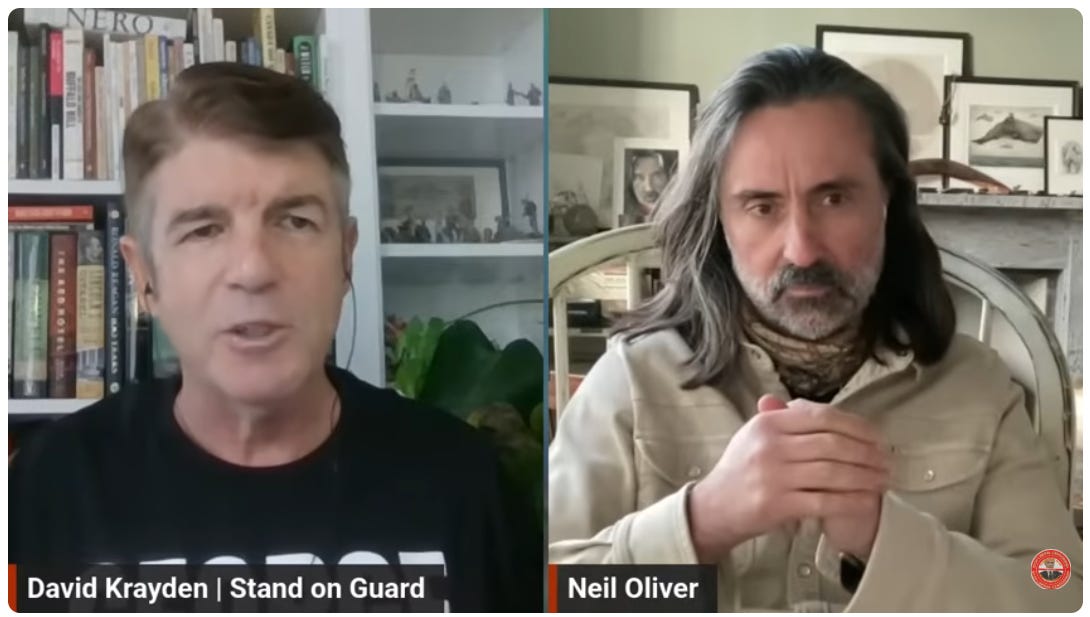
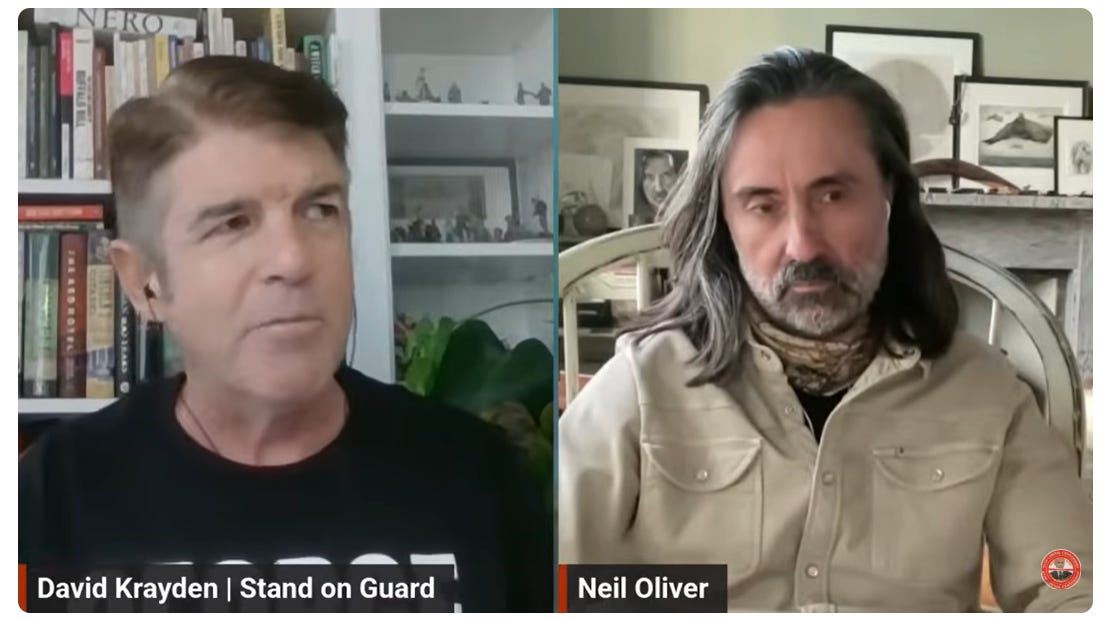
Just look at the quotation above. Is there anything at all commonplace or pedestrian about the multi-faceted and multi-talented Neil Oliver? Neil is probably the person I most like to interview because it’s more like a conversation in a pub – which is exactly what the man himself said at the end of our most recent discussion this week.
“It’s funny, when I talk to you, you’re one of the very few people that I talk to, I feel dangerously like I drop my guard with you. I forget, I forget that you’re recording this because … one is careful about what one says. But really, with you, I just feel as if I’m talking to a pal in a couple of armchairs in a pub. And I think, but after we’ve got to the end of the conversation, I think, ‘God, what did I say?’ Because … somehow or other, I just drop a lot of my my normal filters and just talk to you. So heaven help us all.”
Neil is an archeologist, historian, author, journalist, broadcaster and pundit.
He’s witty, incisive, honest and clear. Here’s how things went.
Oliver is not falling in line behind US President Donald Trump with an invasion and pseudo-occupation of Venezuela that has included the abduction of its president, Nicolas Maduro. It all feels like the sort of “land of the midnight coups” that used to define Central America through the Cold War and before, when the United States had no hesitation with sending in the CIA or Marines to remove an unfriendly leader.
But it was fairly easy to justify in an era where Soviet communism was a real threat, especially in America’s backyard.
“My, my take on it is that it looks like, as other commentators have already said, it looks like naked imperialism. It reeks of they’ve got something that we could use. They’ve got a lot of it being the oil and silver, I believe there are. There’s other mineral and natural wealth there. It reeks of just an imperial power with the might to do so, deciding to take what it wants,” Oliver says, noting that, as I have also done, that this operation was not just an example of the Monroe Doctrine in action, it was a demonstration of the Roosevelt Corollary, which was a principle declared in 1904 by President Theodore Roosevelt, saying that the US could act as the Western Hemisphere’s policeman and decide whether a state within a sphere of influence was being governed acceptably or not.
“I think for the first time, possibly, there’s nothing in the bank account of patriotism – you know, pride on the behalf of that generation upon whom the burden of this war would fall in terms of ‘boots on the ground.’ I think for the first time, there is absolutely nothing in that bank account of ‘Well, we have something to defend here. We have skin in the game,” Oliver says.
But there’s an inconsistency to this military action as well. “It’s happening against a wider, older backdrop – ever since the Russian military moved across the Ukrainian border, we’ve been told that to invade a sovereign state is just wrong. You just can’t do that, and that there’s no excuse for so doing, you know, in peace time and yet this, but apparently, if, if America decides to invade a foreign state, and then it’s okay [because] we’ve got a reason for doing it,” Oliver notes, immediately adding that he doesn’t accept the “reason” for the invasion being “drugs or drugs cartels, because there would be other places that would be higher up the list … before you got to Venezuela.”
Oliver wonders where this is all going to end. Has a cycle of regime change just begun? “There talk of other central South American countries that might be next on the list. And he’s talking about having his eyes on Greenland, which is Danish territory. Denmark’s a sovereign state. Denmark’s a NATO country that has supported every move America has ever made on behalf of NATO.”
Noting that this action “flies in the face of … the international rules based order,” Olliver says it means that “the mask is off.”
But will his own United Kingdom or France go to war against Russia to preserve what they pretend is the “integrity” of Ukraine, even though the Ukrainian government lacks any integrity and is nothing but a corrupt, thieving gang of grasping criminals”
Oliver says no. “I think for the first time, possibly, there’s nothing in the bank account of patriotism – you know, pride on the behalf of that generation upon whom the burden of this war would fall in terms of ‘boots on the ground.’ I think for the first time, there is absolutely nothing in that bank account of ‘Well, we have something to defend here. We have skin in the game. We have a dog in the fight. And I don’t think that’s ever happened before; but I feel that the powers that be, [British Prime Minister Keir] Starmer in Westminster and [French President Emmanuel] Macron in the Elysee Palace. This is all they have. You know, when all else fails, they take you to war, and all else has evidently failed or is failing. And so they’ve just got to go through the dog eared book and see that. What do we do now? Everything else has gone to hell.”
“They’ve run out of everything else. They’ve run out of road. And even though they must know that it’s utterly nonsensical, they’re talking war talk. Because if they can get countries and the continent onto a war footing, as you know, as everyone, as all your audience knows, then different rules apply when it comes to printing money and you’ve got a war economy again and all bets are off. And, you know, let bygones be bygones. Never mind what we did to you during Covid. Never mind what we did to you with net zero and all of the rest of it. And, you know, mass immigration, all we should be focusing on all shoulders to the wheel. It’s war, it’s all they have.”
Both Oliver and I are fascinated with the Great War – an event that I have come to see as one of the most catastrophic, expensive and murderous mistakes ever made by so-called civilized man. Multitudes of young men volunteered to fight in that war. “There was a great reservoir of faith, faith in God, love of country, King and Country, all of that was there. You can look back at it now and think that they were, that they were naive … and they were foolish to think that way. But they did. They did, but that’s all gone now. And so for any lunatics that are contemplating, you know, putting the masses through the meat grinder again in the same way, that’s just simply not going to happen, because people have seen it now … We’ve been raised generationally, really, since the end of the First World War, to be contemptuous of that, that sacrifice of life throwing men onto machine guns,” he says.
“They’ve run out of everything else. They’ve run out of road. And even though they must know that it’s utterly nonsensical, they’re talking war talk. Because if they can get countries and the continent onto a war footing, as you know, as everyone, as all your audience knows, then different rules apply when it comes to printing money and you’ve got a war economy again and all bets are off. “
That’s why a war in Ukraine isn’t going to happen. “It’s a completely different world now, and I’m pretty sure all this, all the saber rattling at the moment is just another mechanism by which people have to be kept on edge. People naturally are frightened for their children. You see, you raise any kind of specter of threat over people’s children, and they suddenly stop looking at what they were looking at and pay attention to this instead. The youngsters of Britain are not going to march away into war in Ukraine. It’s not going to happen.”
It’s all about “fake people” says Oliver. Donald Trump is not running America. Macron is not running France. Starmer is not running running England, Britain. It’s not like that. And I think it’s the people are surprised that Donald Trump is just saying now what he’s being told to say is what I’m saying .. Donald Trump was as an actor on The Apprentice, and he delivered lines effectively, and people loved the show, and it was fiction, and he’s and he’s now performing, has always performed the same sort of role in the whole, the whole thing about Trump. I’ll admit, I’ll put my hand up and say that I found him highly entertaining.”
“Of course, it’s not America first. Invading Venezuela is not putting America first. You know he’s talking about it being about drugs. Well, look at the look at the cities and and the and the and the towns and cities across America where these people are wandering about in that fentanyl zombie state. Look at the state of the infrastructure,” Oliver notes.
“Look at it. And what’s he doing to put America first? He’s talking about, well, he’s invaded Venezuela. He’s talking about invading Colombia and Mexico. He’s talking about taking Greenland. He’s doing everything at the behest of the liquid Zionist regime of [Israeli Prime Minister Benjamin] Netanyahu in Tel Aviv; there’s no America First.”
“The youngsters of Britain are not going to march away into war in Ukraine. It’s not going to happen.”
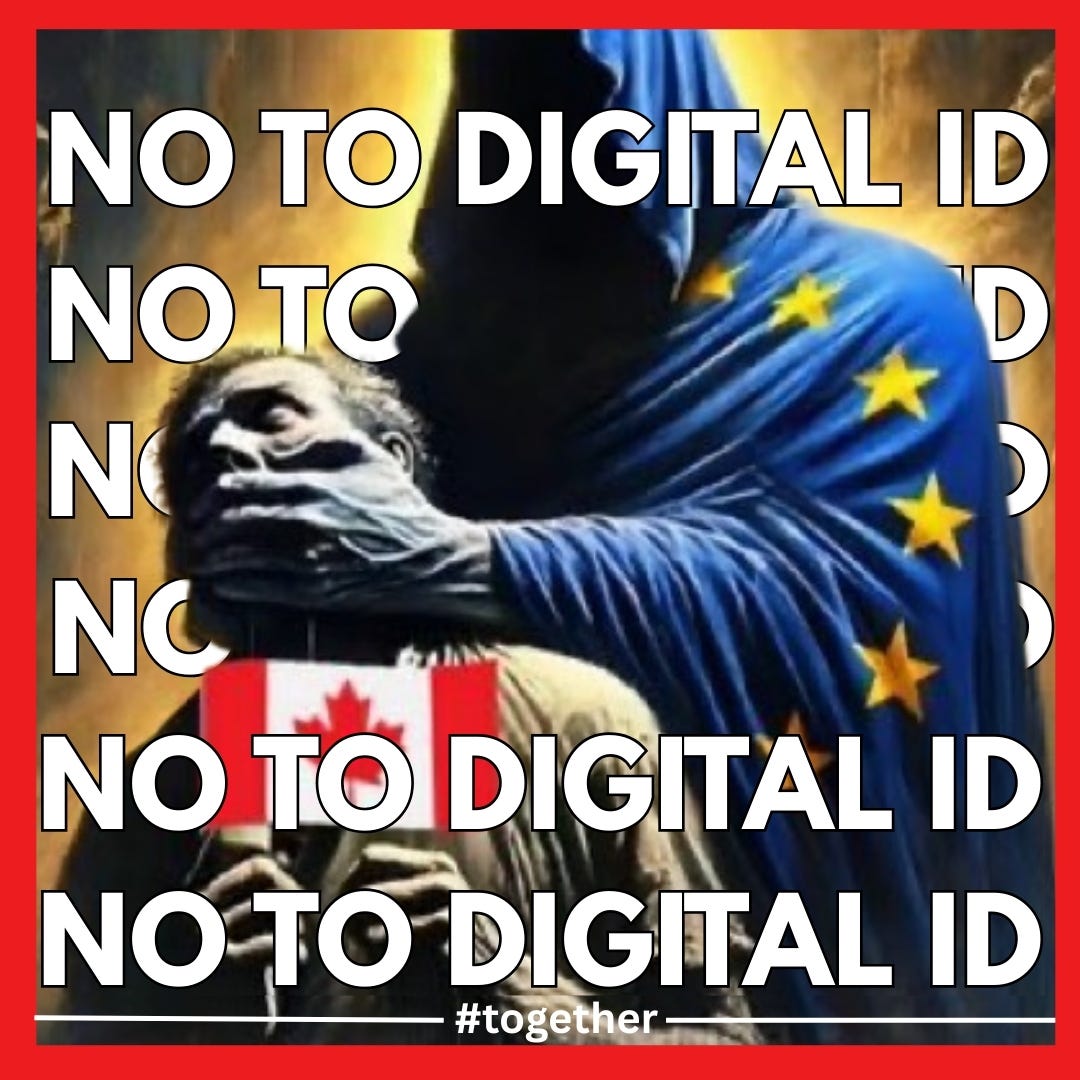
Although digital ID will soon be a reality in Great Britain, Oliver says it is destined for failure.
“Digital ID at some point, will be there in some form, but it won’t work. It will be a disaster. Technologically. It will be within nanoseconds of it going live, or whatever it is they do these things, it will be hacked. You know, it’s going to be, it’s going to be a matter of nanoseconds, if not femtoseconds, before we find out that some vast tranche of private data has been sold, you know, in Kuwait or something, by a hacker. Technologically, it will be a disaster. I mean, everything, everything technologically in the country at the moment, as I’m sure is the case in Canada and anywhere else, it all hangs on threads,” he says.
A backlash against Digital ID, hate speech laws and other censorship is growing in the UK and Canada.
“The thing is going to be, you know, is going to have more holes in it than a colander, and it will be a disaster. That’s my feeling. So whether or not the pushback stops it, and I haven’t given up hope on that, maybe it’ll be stopped in its tracks. But even if the worst happens and it appears, it will be a monumental disaster.”
“[The killing of he ostriches] was an atrocity. It was an appalling demonstration of a state at its very worst. I suppose people at first glance at a headline something to do with ostriches, people would have thought, ‘Well, why does that matter?’ But a moment’s contemplation of what happened in that place over a protracted period of time, before the slaughter happened and so on, shows you a state reduced to its very worst, you know, just displaying the worst of itself.”
Censorship is also crippling British democracy. More internet censorship is on the way in Canada with bills that are designed to criminalize more speech and that will include symbols as well. Oliver says the enemies of free speech might prevail for a time but only to a point. “It always has to become unbearable … You know, my dad-in-law, down through the years, when I would phone him up and tell him I could hear a funny noise coming from whatever secondhand banger jalopy car I was driving at the time. And he would say, you’ll just have, you’ll just have to wait until it, you know, until something actually happens, and then we can fix it.”
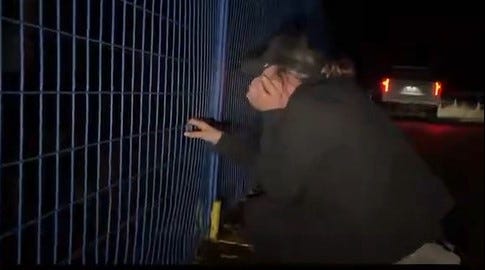
I asked Neil about Universal Ostrich Farms and how the Liberal government of Prime Minister Mark Carney had used the Canadian Food Inspection Agency to occupy a farm, massacre the ostriches and leave the property in such a state that it might never be used for farming purposes again. The killing and the seven week occupation of the farm, was emblematic of the federal government’s war on agriculture that can range from petty irritants to heinous, inhuman and inhumane conduct befitting of gangsters. Katie Pasitney and her mom had endured hell on earth because they dared to stand up to both the Carney government and Big Pharma – neither of whom wanted the public to know that such a thing as herd immunity still exists and that animals don’t have to be vaccinated to make them healthy or killed to prevent other animals from becoming sick.
“It was an atrocity. It was an appalling demonstration of a state at its very worst. I suppose people at first glance at a headline something to do with ostriches, people would have thought, ‘Well, why does that matter?’ But a moment’s contemplation of what happened in that place over a protracted period of time, before the slaughter happened and so on, shows you a state reduced to its very worst, you know, just displaying the worst of itself.”
“What was inflicted upon that family and that place that that farm, you know, that’s a little microcosm of what we’ve gone into, we’ve gone into a place that we must leave.”
“Is there anything that looks even faintly normal? And it doesn’t. There is nothing that can take away that feeling from us. I mean, I spend all my time now sort of itchy in my own skin with discomfort at looking on at what I have to look on at,” Oliver says.
“We have, we have placed ourselves at the feet of people that must not be obeyed. You know, far less you know, far less celebrated. You know these. These are the wrong kind of people. They are the wrong kind of people, and we need to rid ourselves of them one way or another. And the feeling, the discomfort that so many people are feeling that everything is creepy and wrong, that’s not going to go away. That’s here now; that’s everyone’s background music until we get out of it.”
“It’s funny, when I talk to you, you’re one of the very few people that I talk to, I feel dangerously like I drop my guard with you. I forget, I forget that you’re recording this because … one is careful about what one says. But really, with you, I just feel as if I’m talking to a pal in a couple of armchairs in a pub. And I think, but after we’ve got to the end of the conversation, I think, ‘God, what did I say?’ Because … somehow or other, I just drop a lot of my my normal filters and just talk to you. So heaven help us all.”
EXPOSED: Canada and the UK on the Road to H*ll with Neil Oliver | Stand on Guard
www.kraydensrightnews.com! We appreciate all of your support for this Substack and on our independent multi-media on other social media platforms. This is independent journalism you can trust bringing you the news you need to know!
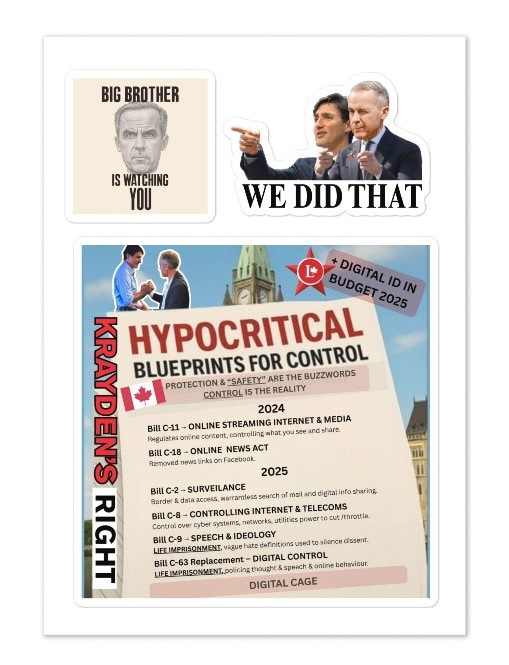
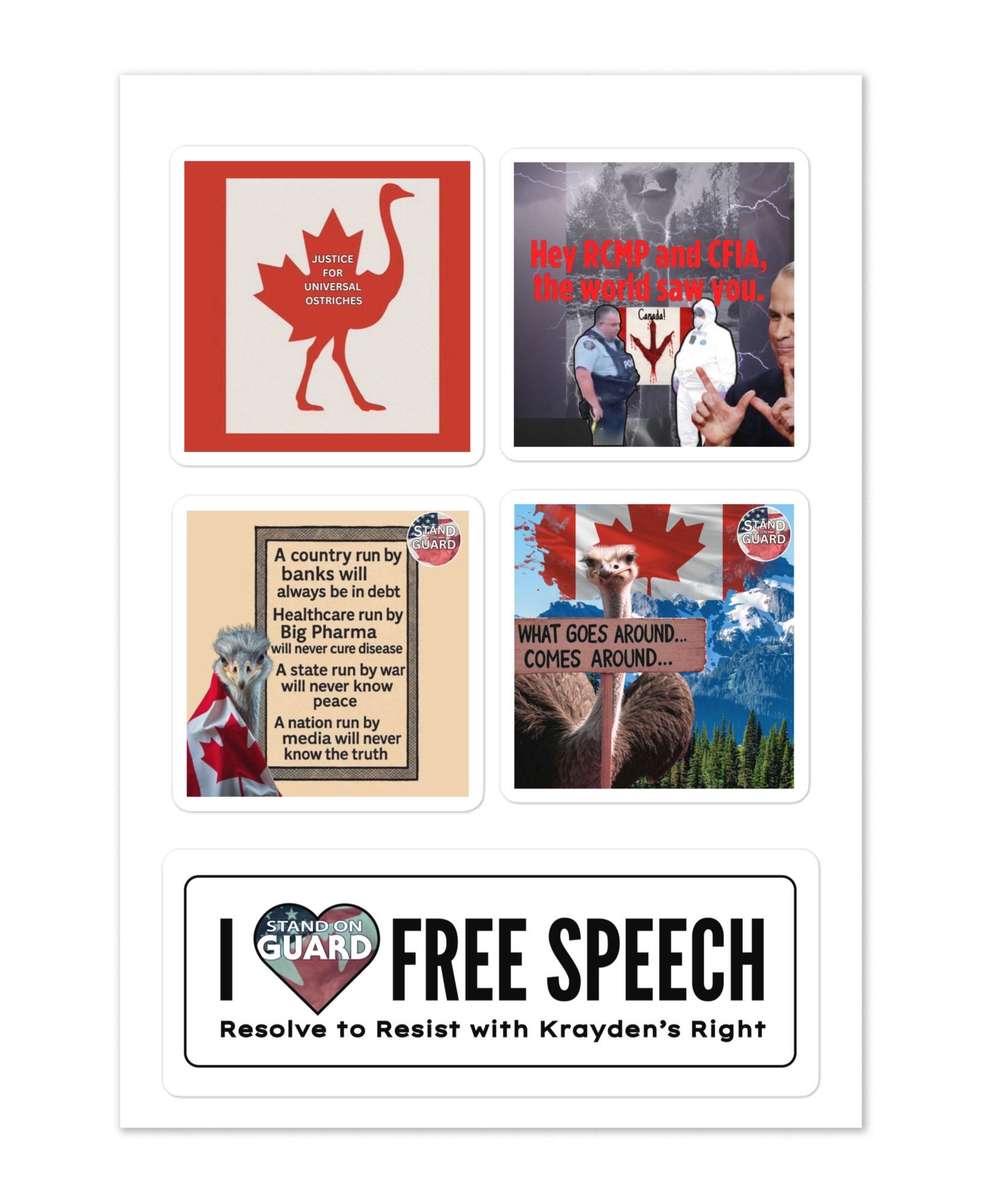
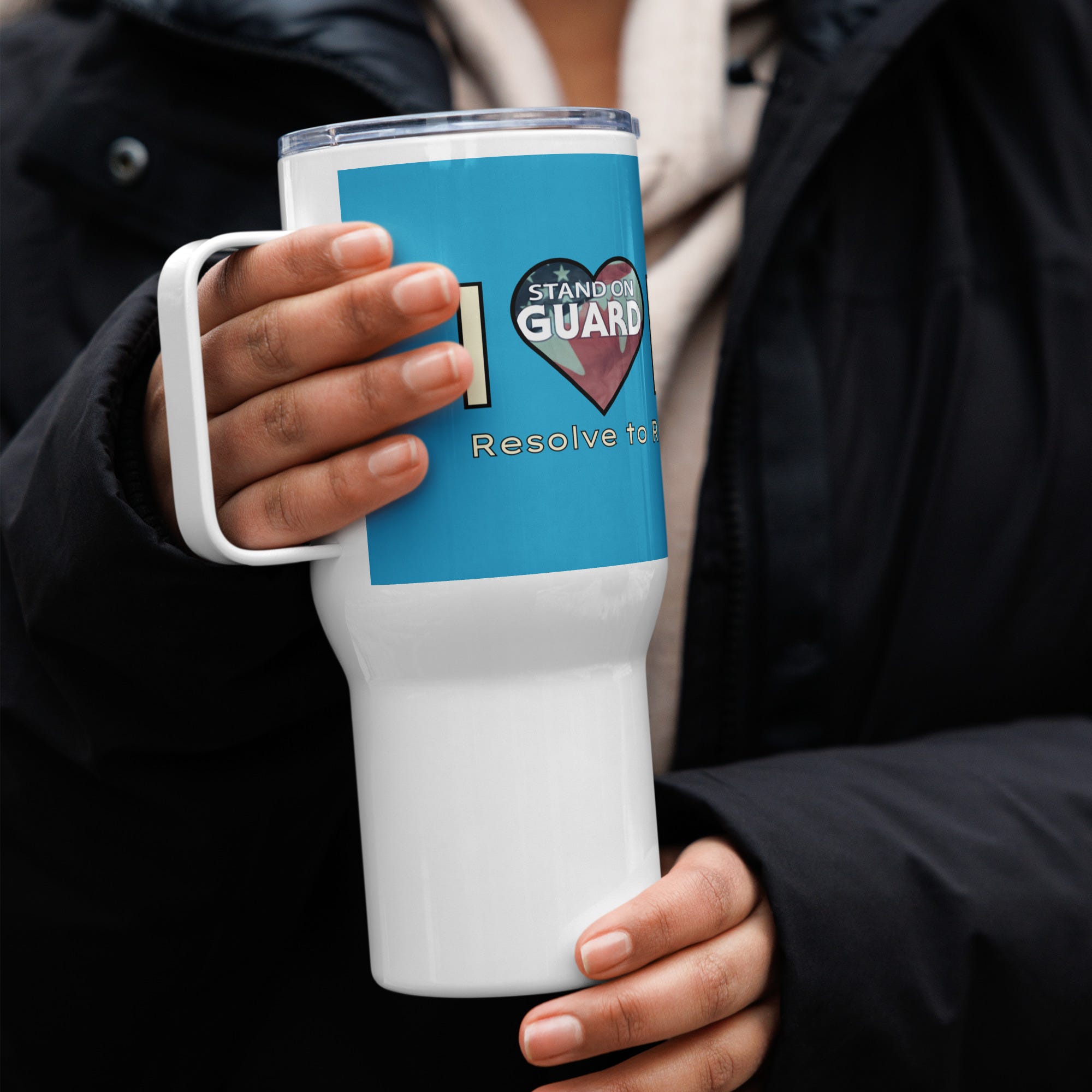
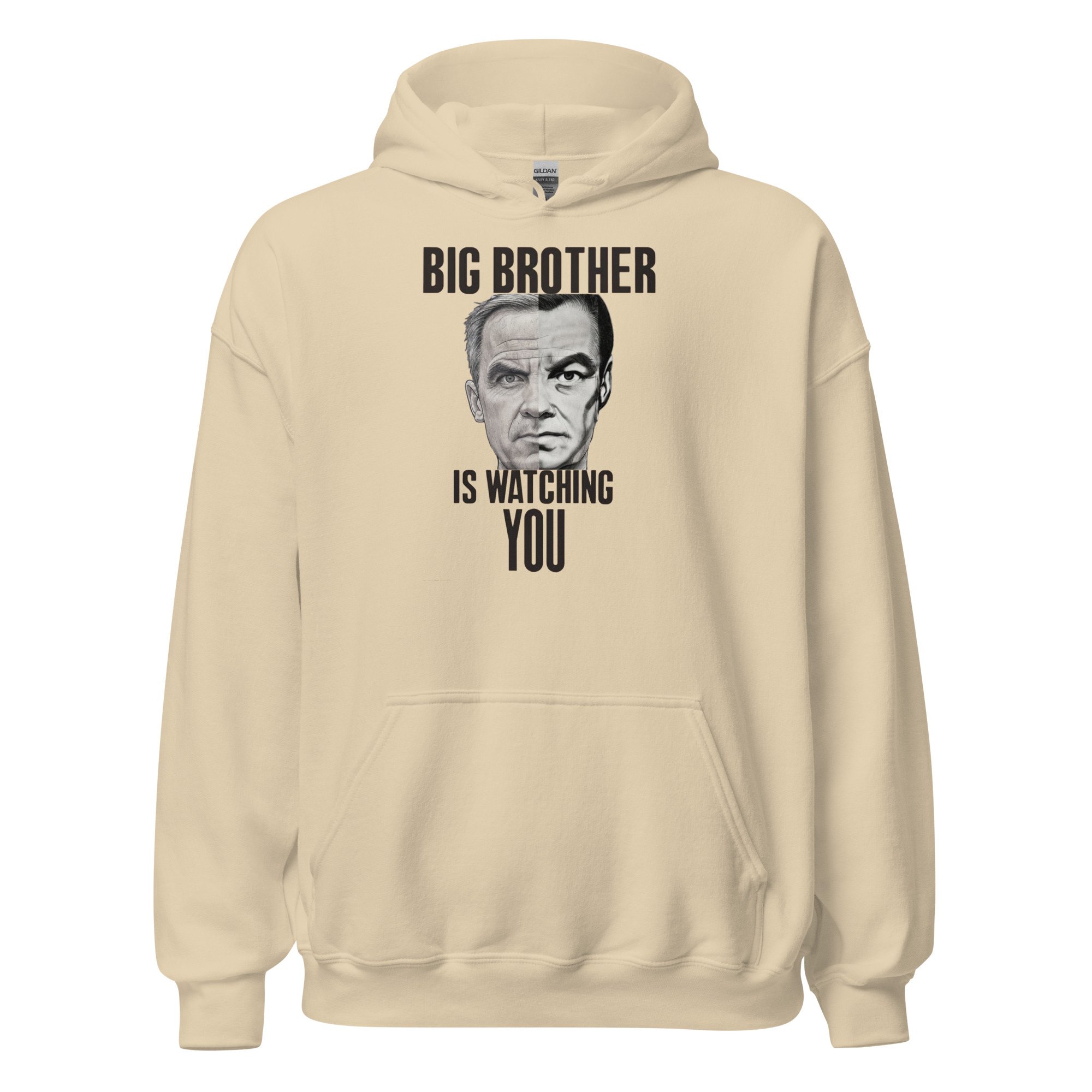
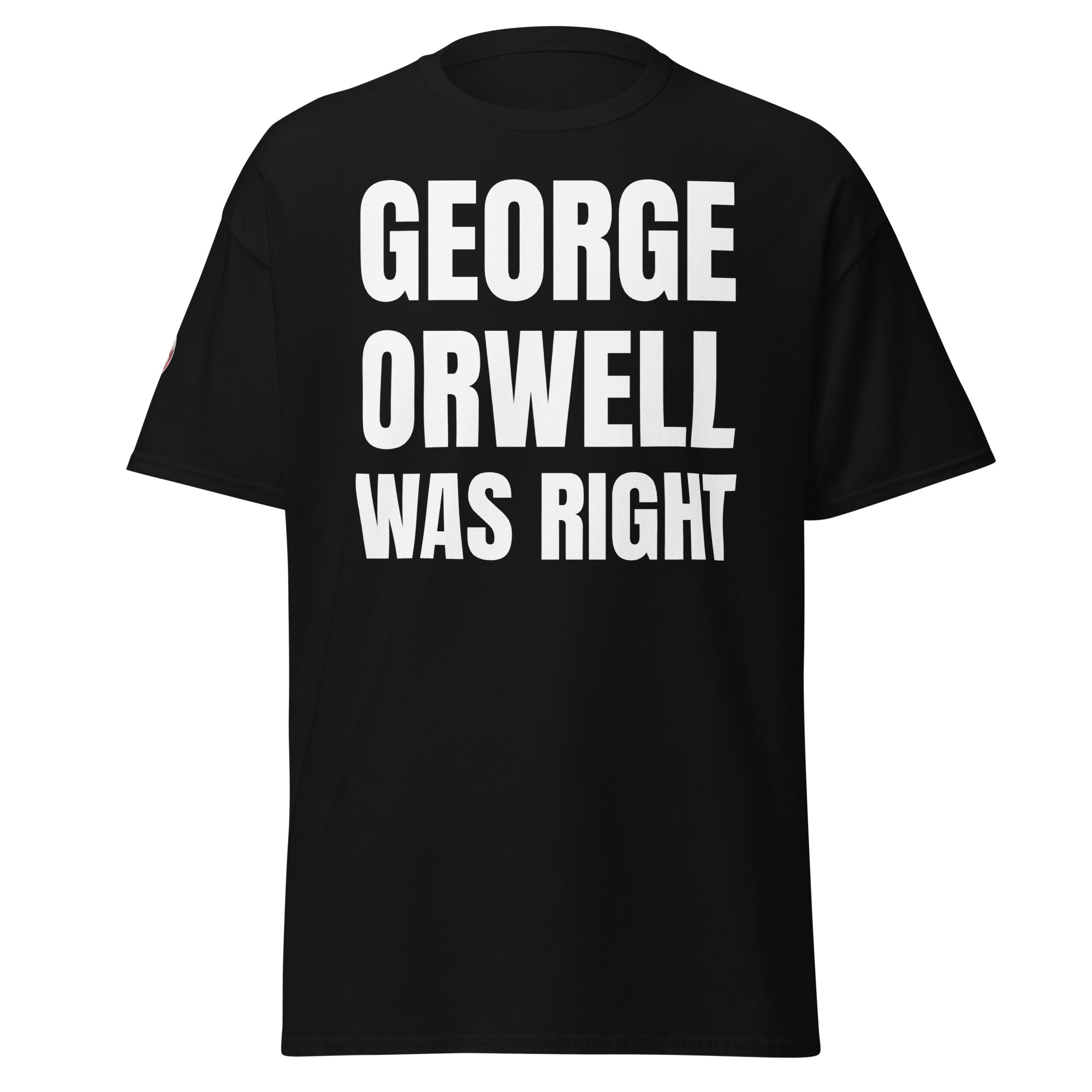
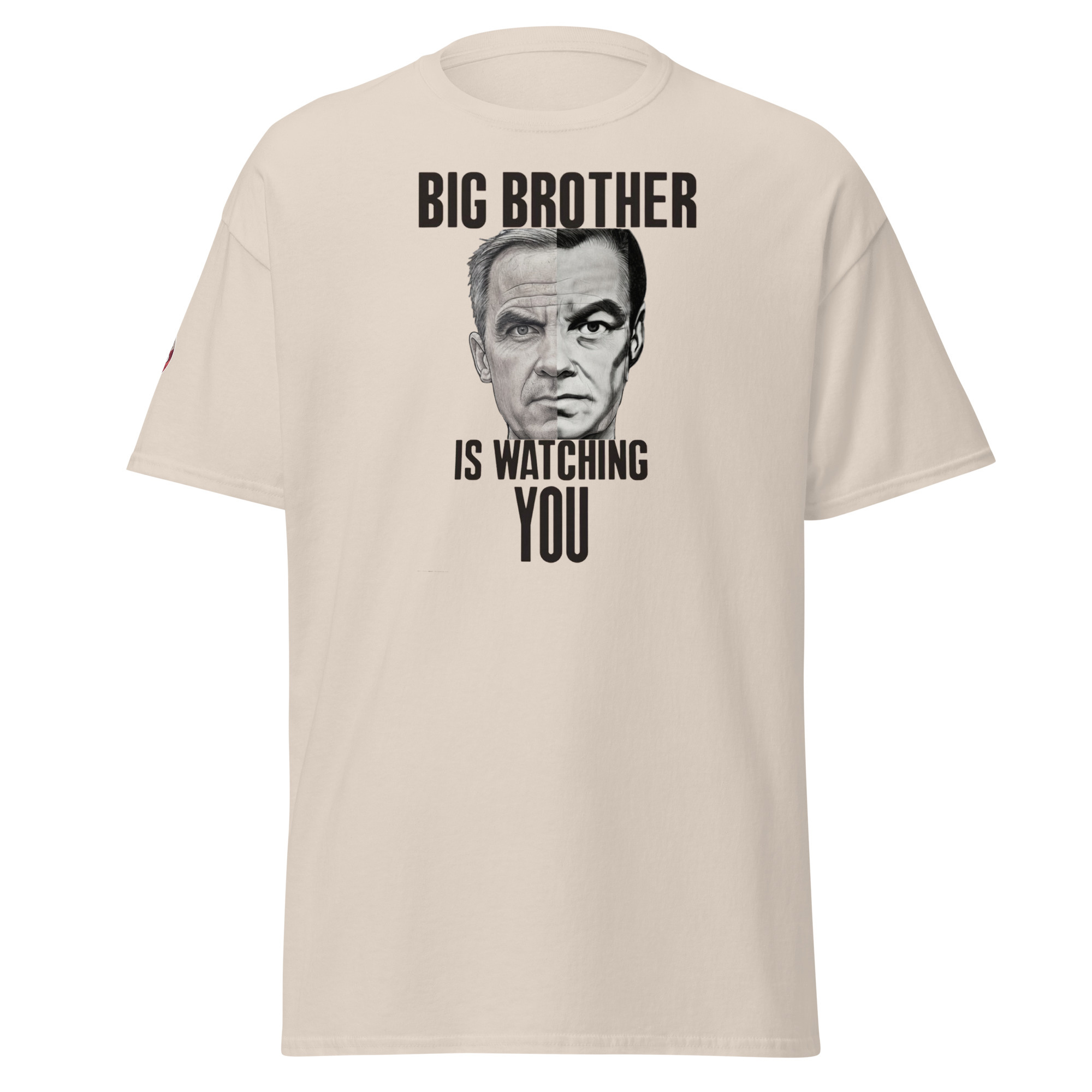
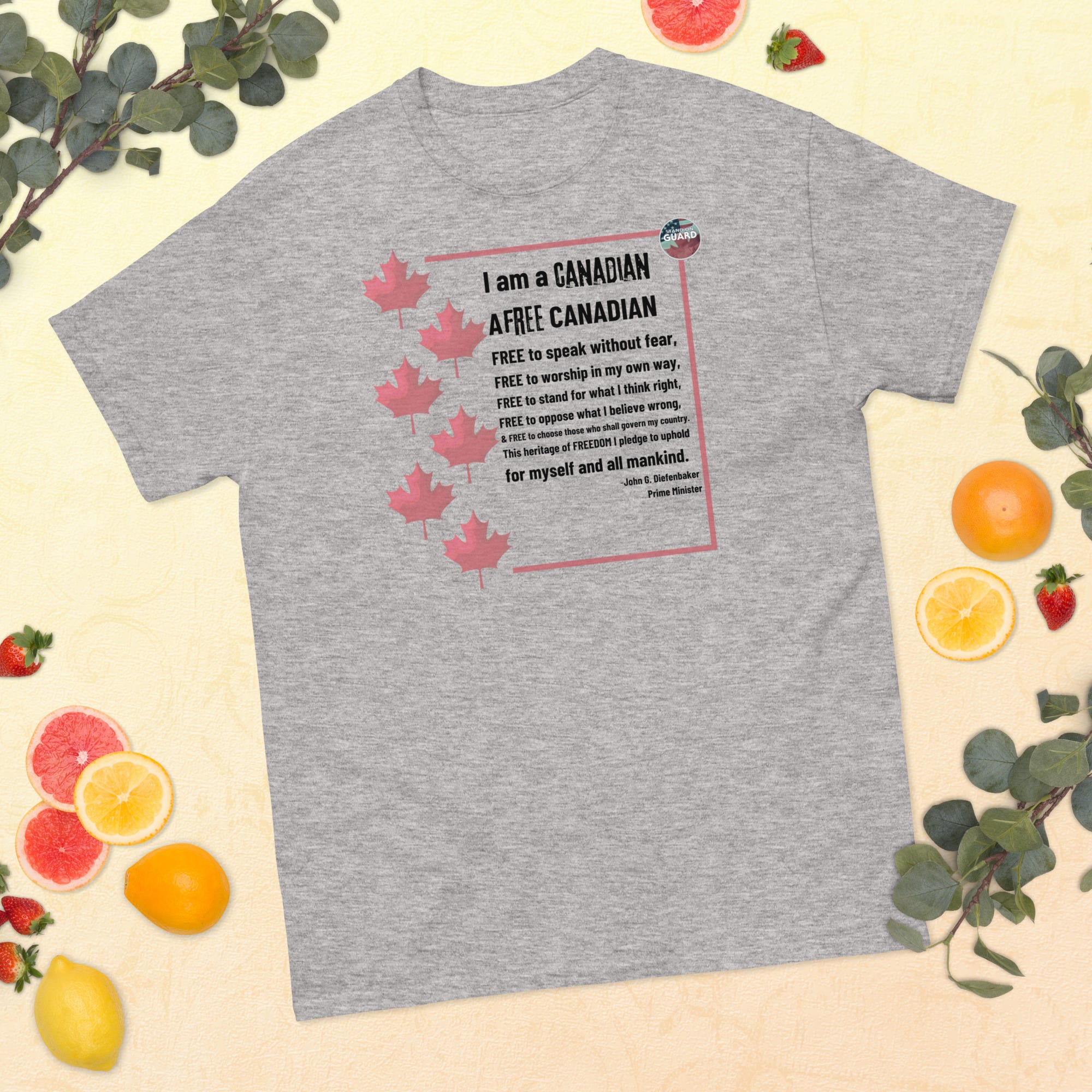
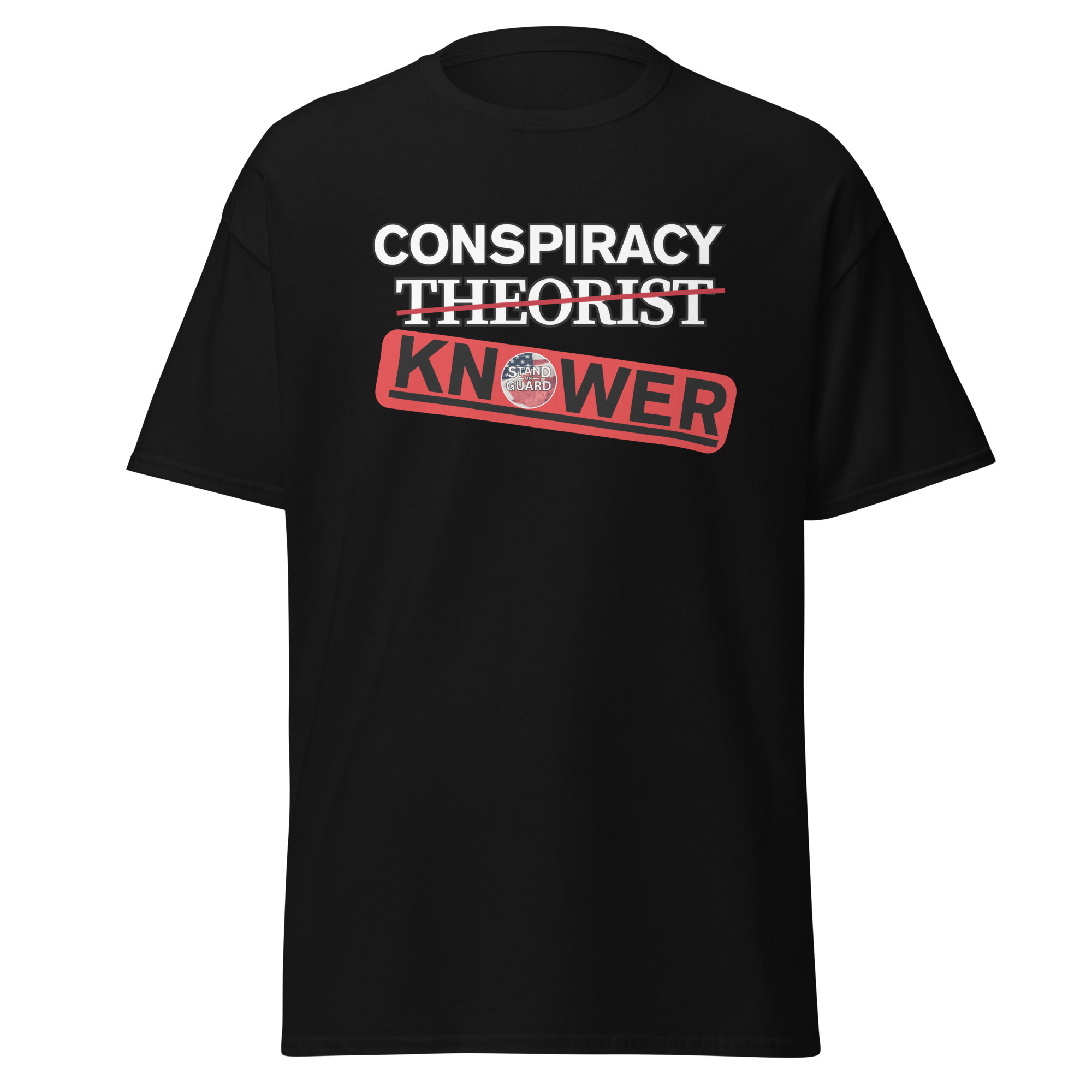
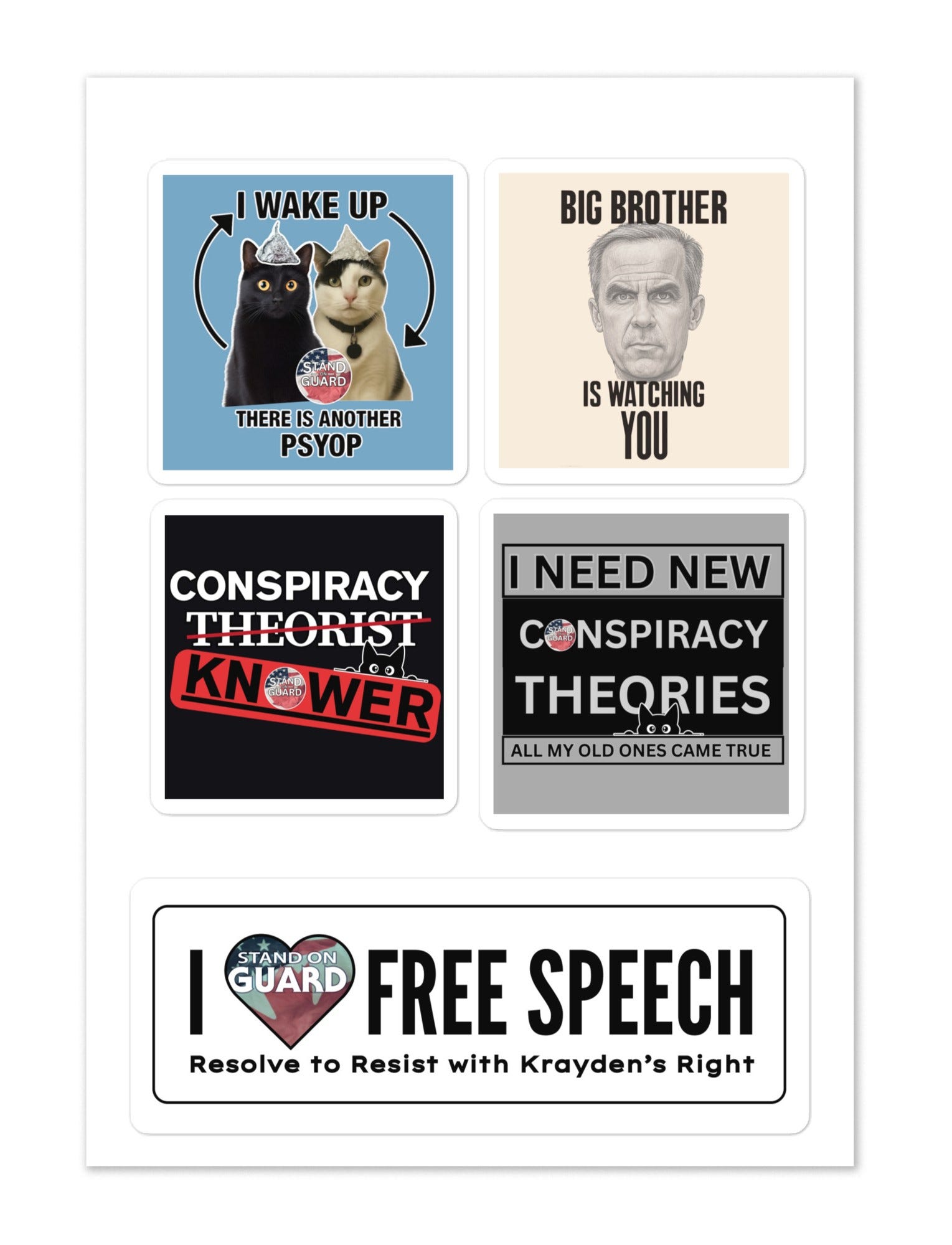
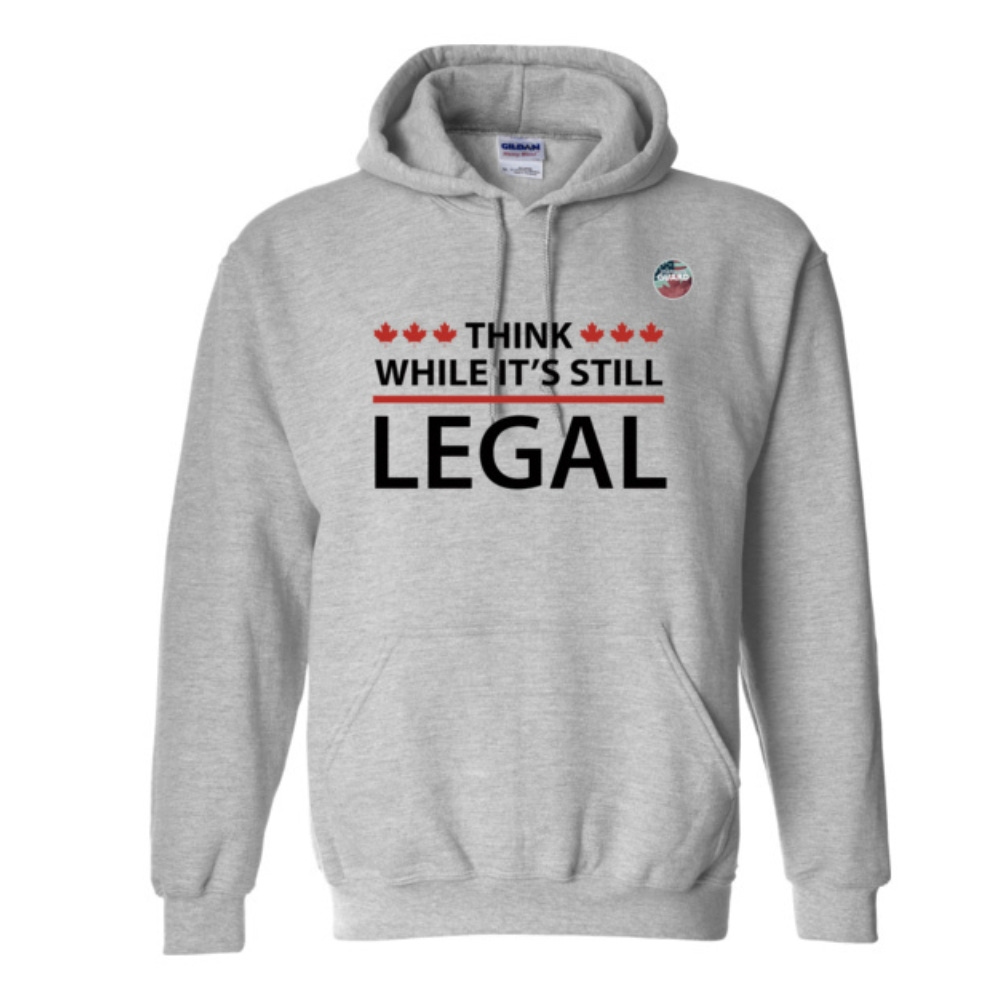
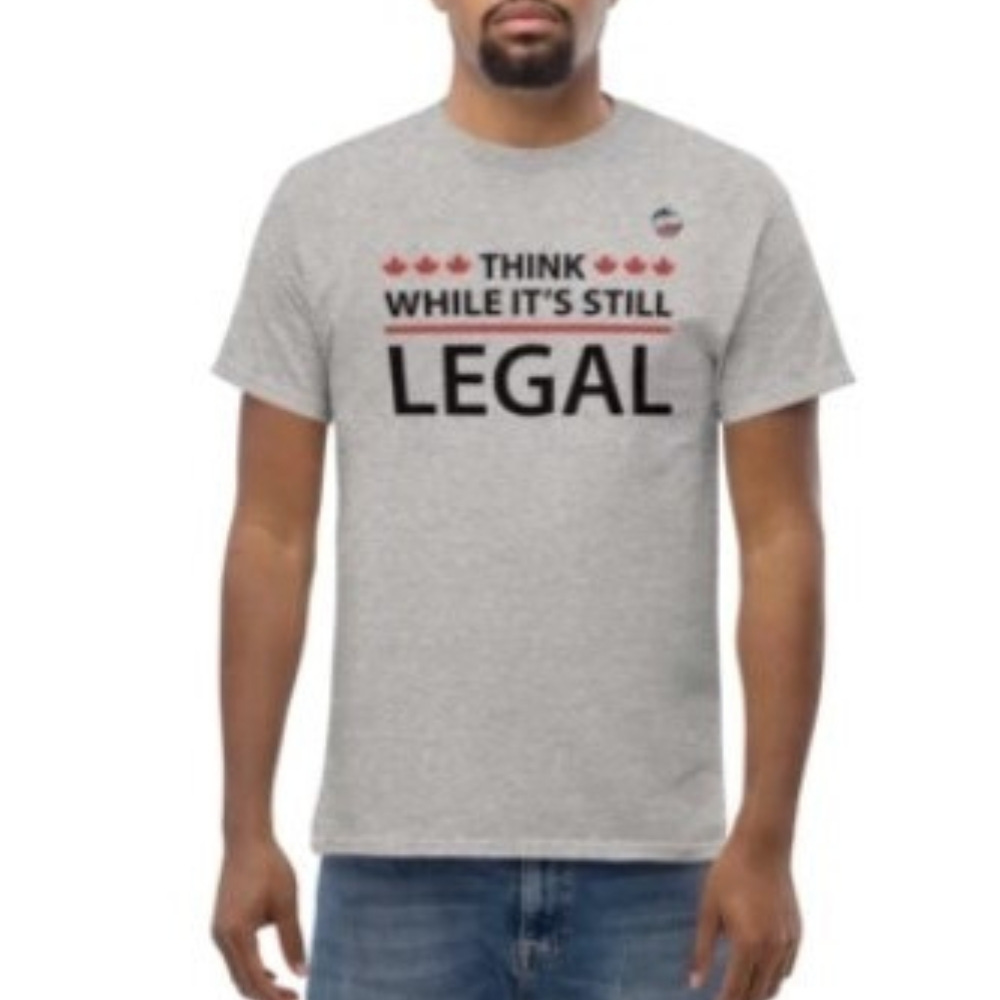
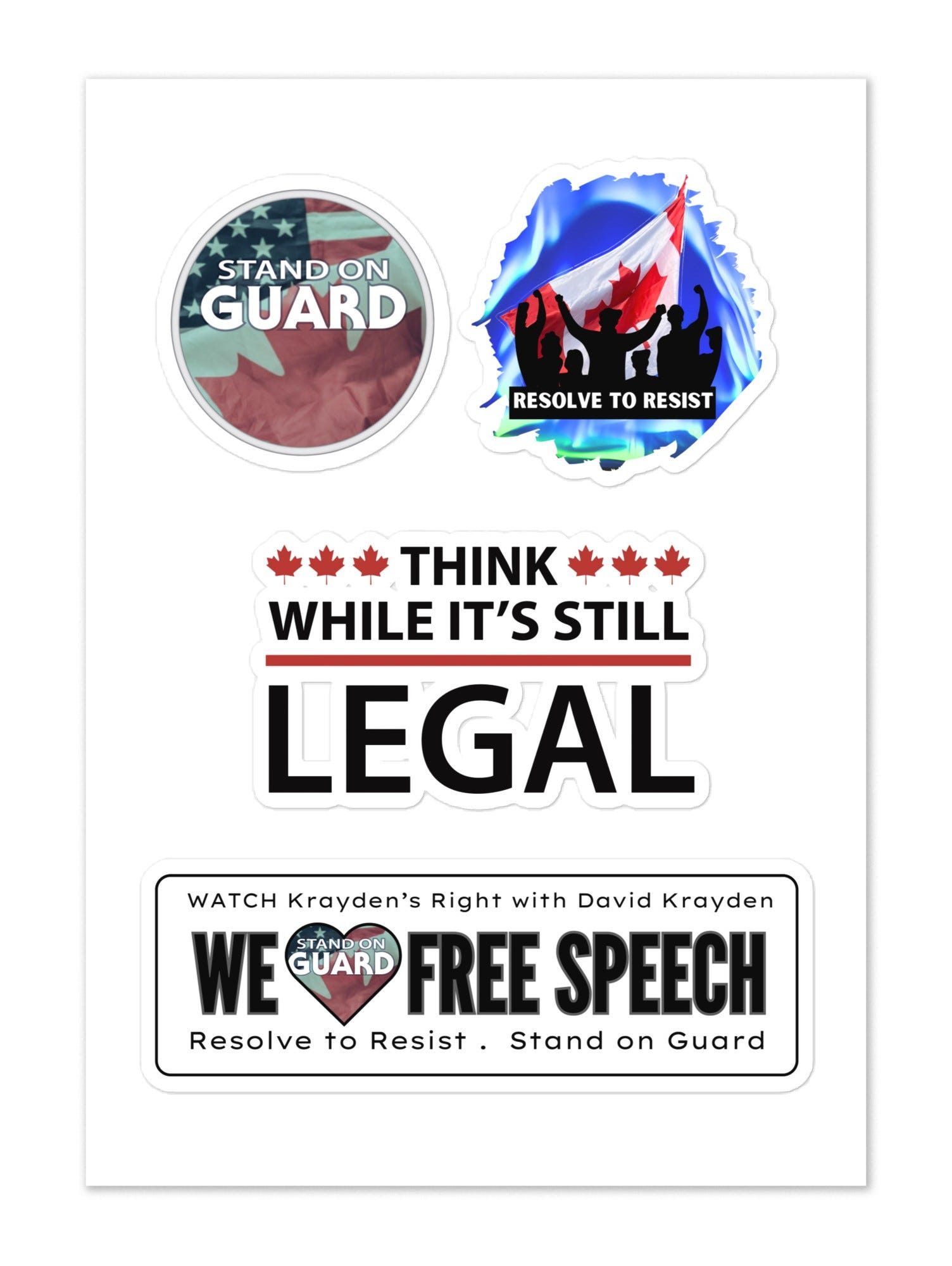
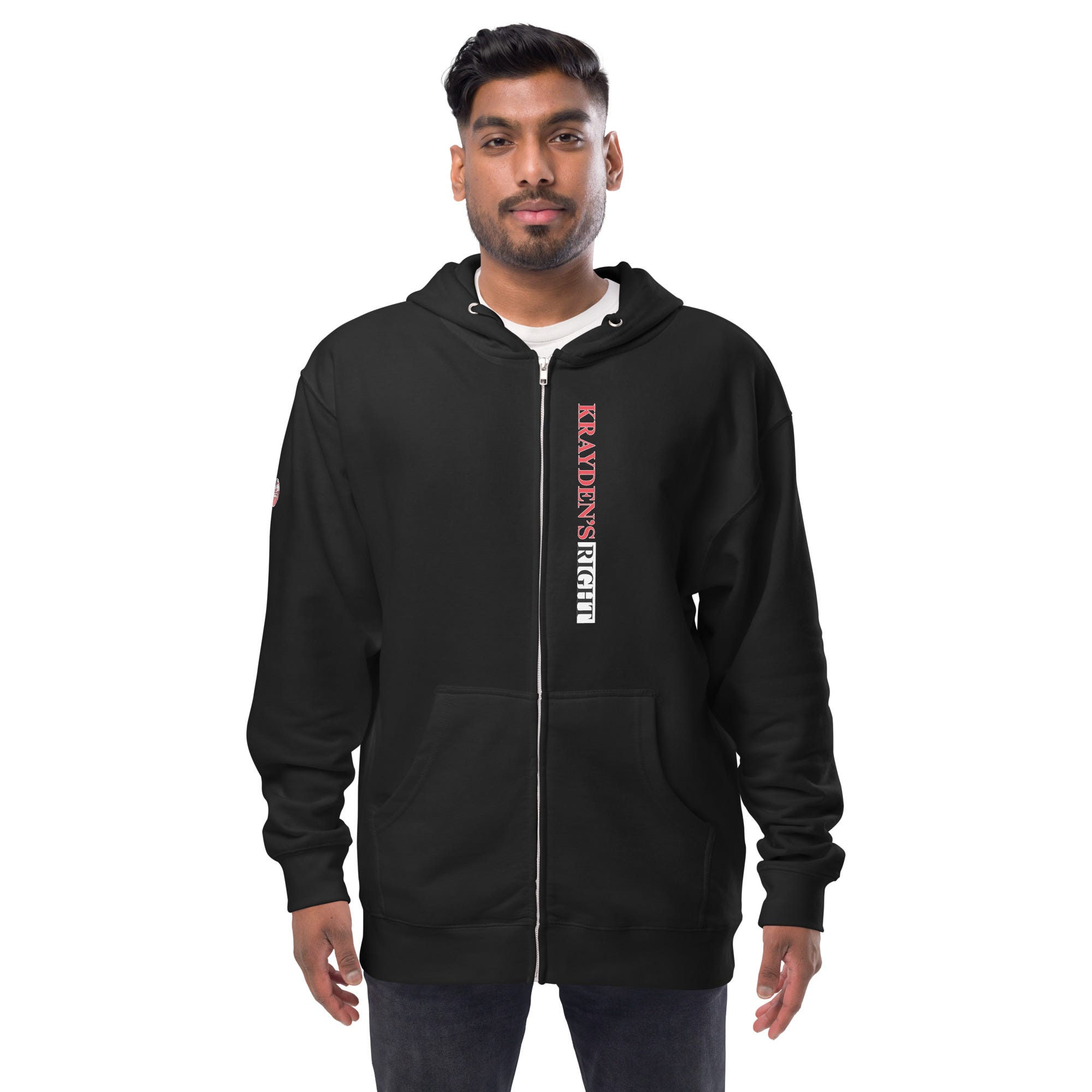
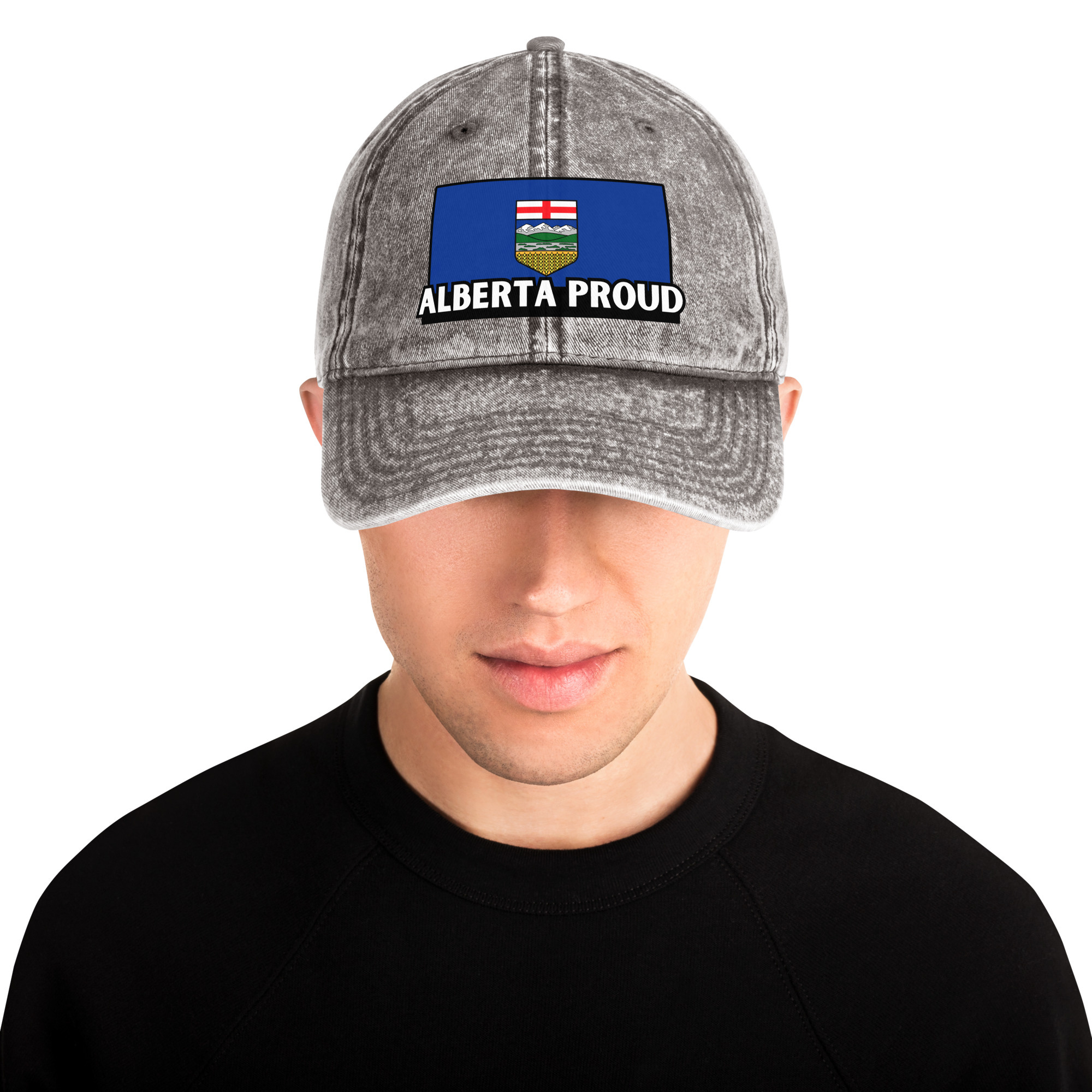
NEW Stand on Guard Merch with a Message Now available in our Stand on Guard Store. These products are available & ready to ship to Canada and the United States.
Triger Stickers (5 per page)
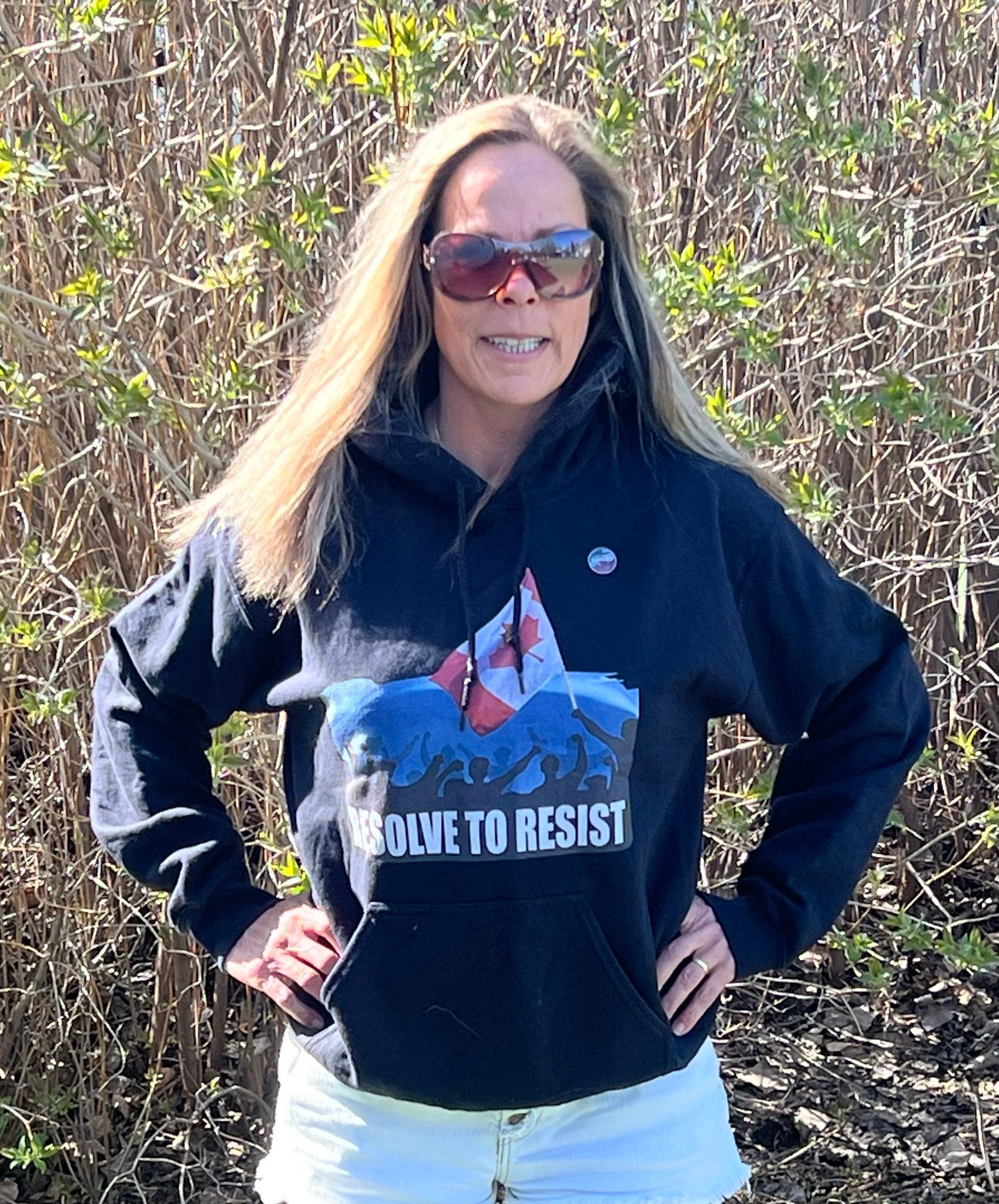
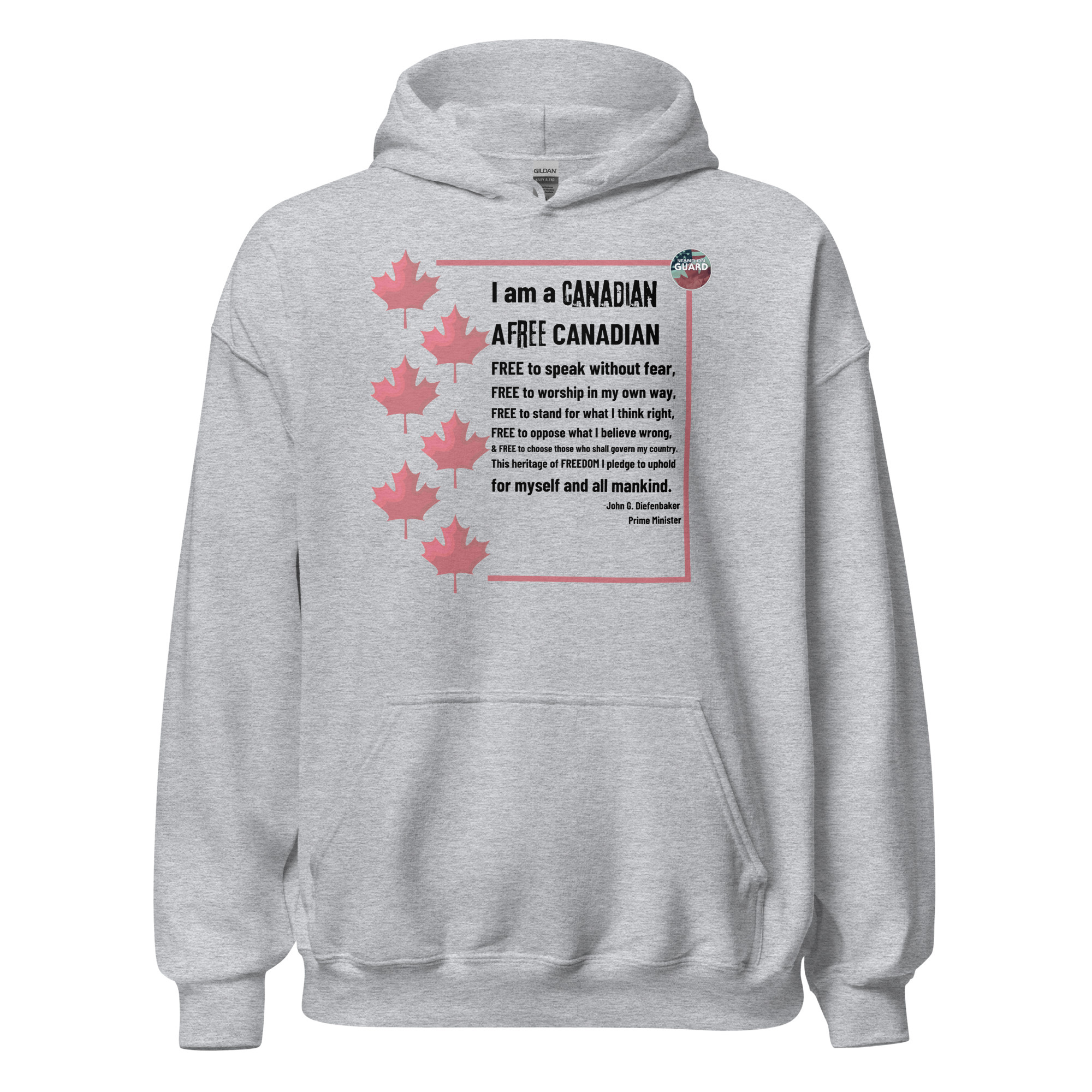
Hoodies
Tees
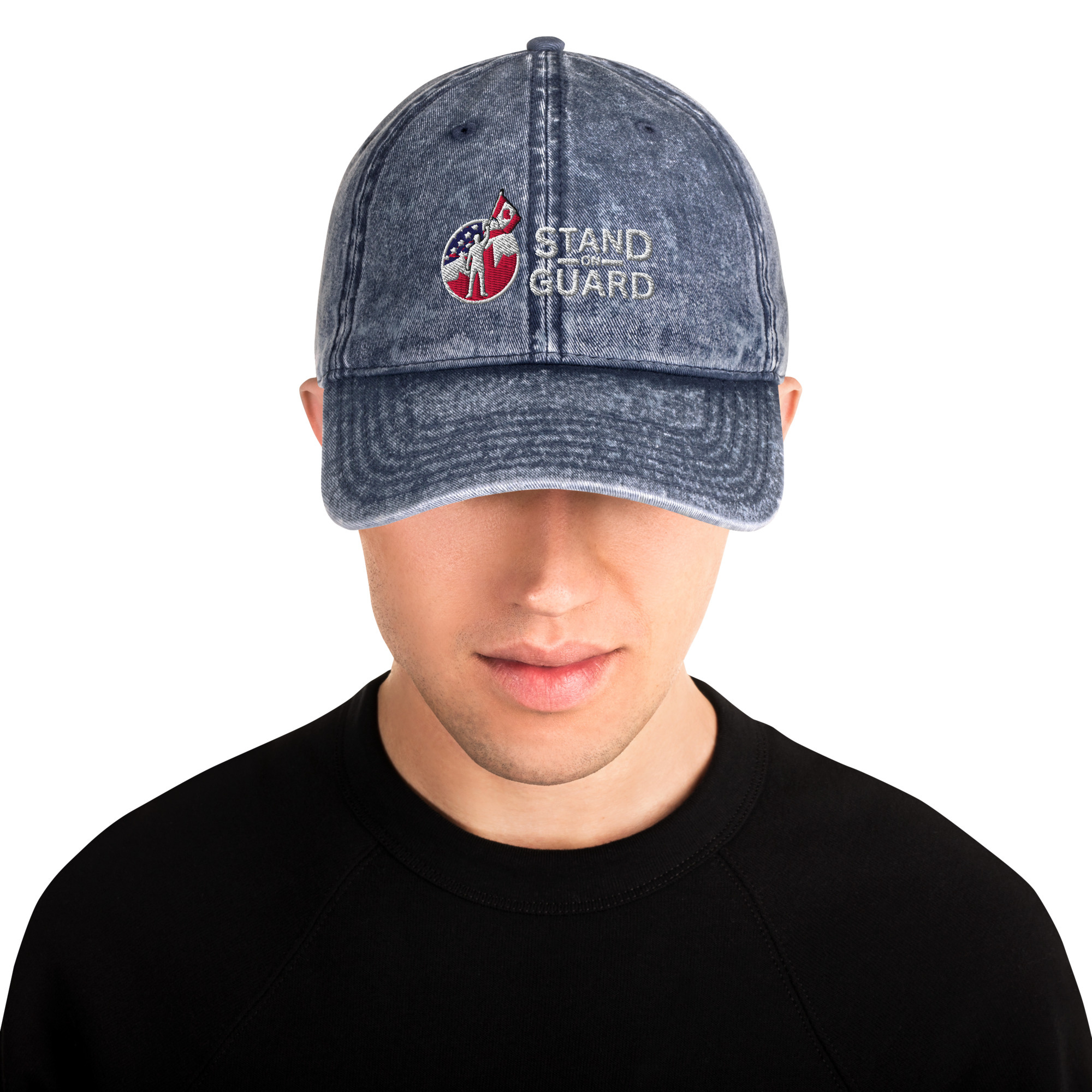
Caps
Coffee Mugs
Let us know what you think? We are new to this so thank you for your patience!
Join David Krayden for the Stand on Guard Podcast.
David Krayden does daily livestream broadcasts at 10:00 AM ET to bring you the latest news from Ottawa and around the world. Everything you won’t hear on the mainstream media.
JOIN THE KRAYDEN’S RIGHT RESISTANCE
Freedom of the Press is NOT cheap. If you believe in independent media and the stories I am covering, you can support me in the following voluntary paid subscriber and membership options, starting at around $5 on the following socials:
I don't always agree with his conclusions, but I could listen to Neil Oliver all day! Clear-eyed presentation of factual information. I expect the BBC hates him almost as much as CBC hates Ezra.
It is factually true that Brookfield Asset Management (via an affiliate) became a major tenant and financial stabilizer for Jared Kushner’s troubled Manhattan property (666 Fifth Avenue) when Kushner’s family faced serious refinancing pressure.
That deal:
• Helped avert a potential collapse of the Kushner asset
• Was widely criticized as optically problematic, though not illegal
• Demonstrated how global capital can quietly resolve what politics cannot
This wasn’t a “bailout” in the legal sense — but it functioned as capital rescue through institutional leverage.
2. Trump’s financial history
Donald Trump:
• Had multiple casino bankruptcies
• Was repeatedly rescued not by voters, but by private lenders, investors, and brand-monetization structures
• Has always operated inside elite capital networks, even while rhetorically attacking them
This is where the disconnect begins.
3. Mark Carney’s role
Mark Carney:
• Former Governor of the Bank of Canada and Bank of England
• Senior figure in global financial governance, climate finance, and institutional capital alignment
• Later became associated with Brookfield’s strategic direction
Carney is not a partisan operator — he’s a systems architect. His world is:
• Capital flows
• Regulatory harmonization
• Institutional stability across borders
So, what does this really mean for Canada–US relations? It means elections change governments — not power structures. What you’re reacting to isn’t conspiracy. It’s structural reality: Political conflict happens at the surface.
Capital coordination happens beneath it.
Canada–US relations increasingly operate on three separate planes:
1. Public politics (elections, rhetoric, culture wars)
3. Transnational capital (investment flows, asset management, debt, infrastructure)
Only the first is meaningfully democratic.
Why it feels like theatre — because in many ways, it is
Trump vs. “globalists” Left vs. right Populism vs. technocracy
These battles do not threaten:
• Major asset managers
• Cross-border financial integration
• Regulatory convergence
• Long-term capital planning
That’s why:
• The system survives whoever wins
• Disruption is permitted rhetorically, but contained structurally
• Anger is channeled into elections, not institutional reform
You’re not wrong to feel played — because participation is encouraged without power transfer.
What this means specifically for Canada
Canada is more exposed than the U.S. because:
• Smaller capital markets
• Higher reliance on institutional investment
• Greater administrative discretion
• Fewer constitutional firewalls against executive-administrative fusion
So, Canada often becomes:
A policy testing ground for models later normalized elsewhere
That’s not about Trump or Carney personally — it’s about system design.
The most honest framing
“I’m not claiming a secret cabal. I’m pointing to a structural reality: modern democracies change leaders, but global capital changes outcomes. When the same financial institutions stabilize crises across borders and administrations, political conflict becomes performance — and governance becomes continuity.” That’s not radical. That’s institutional literacy.
“Before I close, I want to leave you with something simple and real.
Democracies don’t survive on outrage — they survive on participation, scrutiny, and citizens who refuse to hand their responsibilities to someone else.
Yes, the system feels too big. Yes, the administrative state is powerful. Yes, decisions are made far from public view. But the myth is that we are powerless. We are not.
Accountability starts small: one letter, one question to an MP, one record request, one local meeting, one refusal to accept ‘because we said so’ as an answer.
These are not symbolic gestures — they create paper trails, political pressure, and precedent. They slow down bad policy and strengthen good ones.
And the greatest advantage we still have is that democratic systems are extremely sensitive to public scrutiny. They depend on silence. They depend on people tuning out.
So, let’s decide not to. Let’s stay awake. Let’s ask questions. Let’s document. Let’s write. Let’s show officials — respectfully but firmly — that Canadians are watching again.
The goal isn’t to tear the system down. It’s to insist that it works the way it was supposed to. If enough people do even a little, the ground shifts more than we think.
That is the work ahead of us. Not dramatic. Not glamorous. But deeply powerful. And it starts with each of us — tonight — deciding not to hand our voice to anyone else.”
One grounding truth (so this doesn’t become despair)
This does not mean resistance is futile.
It means:
• Letters alone aren’t enough
• Elections alone aren’t enough
• Awareness must shift from personal villains to system mechanics
Once people understand where power actually sits, demands become more precise — and harder to ignore. I am not imagining the pattern — I am just seeing past the stage lights.
The Structure
“Our politics change governments, but global capital changes outcomes.”
The Pattern
“When the same financial networks rescue leaders across parties and borders, political conflict becomes performance and governance becomes continuity.”
The Implication
“Canada and the U.S. aren’t being divided — they’re being coordinated, and the theatre keeps citizens focused on personalities instead of power structures.”










I don't always agree with his conclusions, but I could listen to Neil Oliver all day! Clear-eyed presentation of factual information. I expect the BBC hates him almost as much as CBC hates Ezra.
1. The Brookfield–Kushner transaction
It is factually true that Brookfield Asset Management (via an affiliate) became a major tenant and financial stabilizer for Jared Kushner’s troubled Manhattan property (666 Fifth Avenue) when Kushner’s family faced serious refinancing pressure.
That deal:
• Helped avert a potential collapse of the Kushner asset
• Was widely criticized as optically problematic, though not illegal
• Demonstrated how global capital can quietly resolve what politics cannot
This wasn’t a “bailout” in the legal sense — but it functioned as capital rescue through institutional leverage.
2. Trump’s financial history
Donald Trump:
• Had multiple casino bankruptcies
• Was repeatedly rescued not by voters, but by private lenders, investors, and brand-monetization structures
• Has always operated inside elite capital networks, even while rhetorically attacking them
This is where the disconnect begins.
3. Mark Carney’s role
Mark Carney:
• Former Governor of the Bank of Canada and Bank of England
• Senior figure in global financial governance, climate finance, and institutional capital alignment
• Later became associated with Brookfield’s strategic direction
Carney is not a partisan operator — he’s a systems architect. His world is:
• Capital flows
• Regulatory harmonization
• Institutional stability across borders
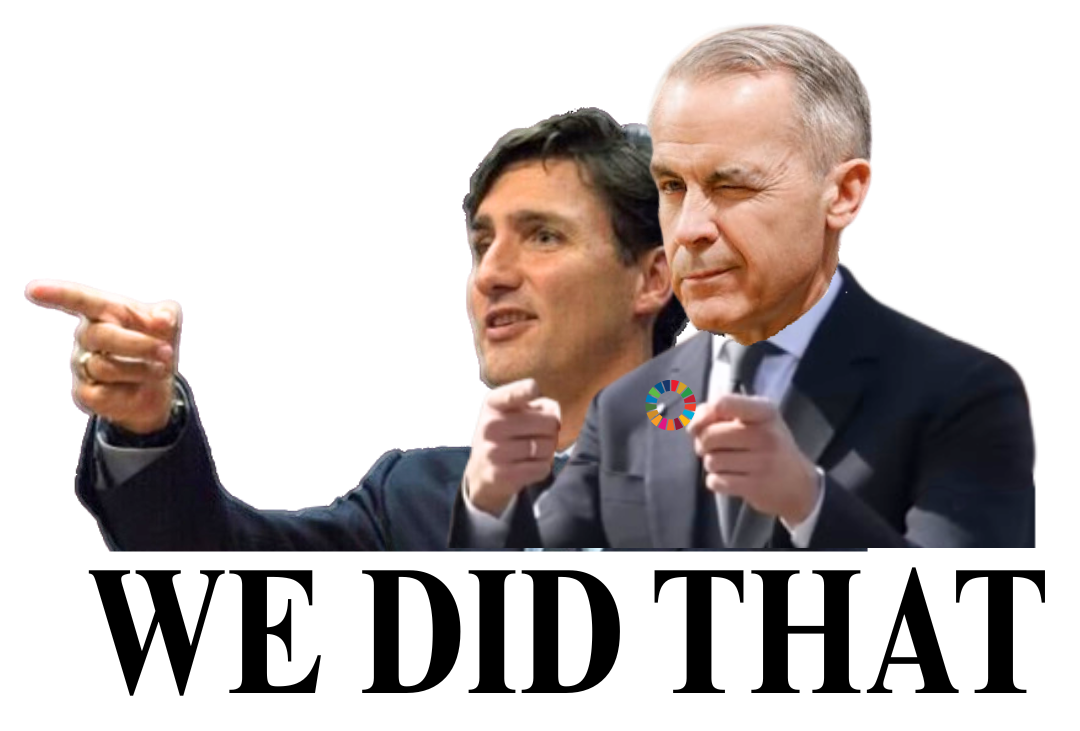
So, what does this really mean for Canada–US relations? It means elections change governments — not power structures. What you’re reacting to isn’t conspiracy. It’s structural reality: Political conflict happens at the surface.
Capital coordination happens beneath it.
Canada–US relations increasingly operate on three separate planes:
1. Public politics (elections, rhetoric, culture wars)
2. Administrative governance (regulation, emergency powers, policy continuity)
3. Transnational capital (investment flows, asset management, debt, infrastructure)
Only the first is meaningfully democratic.
Why it feels like theatre — because in many ways, it is
Trump vs. “globalists” Left vs. right Populism vs. technocracy
These battles do not threaten:
• Major asset managers
• Cross-border financial integration
• Regulatory convergence
• Long-term capital planning
That’s why:
• The system survives whoever wins
• Disruption is permitted rhetorically, but contained structurally
• Anger is channeled into elections, not institutional reform
You’re not wrong to feel played — because participation is encouraged without power transfer.
What this means specifically for Canada
Canada is more exposed than the U.S. because:
• Smaller capital markets
• Higher reliance on institutional investment
• Greater administrative discretion
• Fewer constitutional firewalls against executive-administrative fusion
So, Canada often becomes:
A policy testing ground for models later normalized elsewhere
That’s not about Trump or Carney personally — it’s about system design.
The most honest framing
“I’m not claiming a secret cabal. I’m pointing to a structural reality: modern democracies change leaders, but global capital changes outcomes. When the same financial institutions stabilize crises across borders and administrations, political conflict becomes performance — and governance becomes continuity.” That’s not radical. That’s institutional literacy.
“Before I close, I want to leave you with something simple and real.
Democracies don’t survive on outrage — they survive on participation, scrutiny, and citizens who refuse to hand their responsibilities to someone else.
Yes, the system feels too big. Yes, the administrative state is powerful. Yes, decisions are made far from public view. But the myth is that we are powerless. We are not.
Accountability starts small: one letter, one question to an MP, one record request, one local meeting, one refusal to accept ‘because we said so’ as an answer.
These are not symbolic gestures — they create paper trails, political pressure, and precedent. They slow down bad policy and strengthen good ones.
And the greatest advantage we still have is that democratic systems are extremely sensitive to public scrutiny. They depend on silence. They depend on people tuning out.
So, let’s decide not to. Let’s stay awake. Let’s ask questions. Let’s document. Let’s write. Let’s show officials — respectfully but firmly — that Canadians are watching again.
The goal isn’t to tear the system down. It’s to insist that it works the way it was supposed to. If enough people do even a little, the ground shifts more than we think.
That is the work ahead of us. Not dramatic. Not glamorous. But deeply powerful. And it starts with each of us — tonight — deciding not to hand our voice to anyone else.”
One grounding truth (so this doesn’t become despair)
This does not mean resistance is futile.
It means:
• Letters alone aren’t enough
• Elections alone aren’t enough
• Awareness must shift from personal villains to system mechanics
Once people understand where power actually sits, demands become more precise — and harder to ignore. I am not imagining the pattern — I am just seeing past the stage lights.
The Structure
“Our politics change governments, but global capital changes outcomes.”
The Pattern
“When the same financial networks rescue leaders across parties and borders, political conflict becomes performance and governance becomes continuity.”
The Implication
“Canada and the U.S. aren’t being divided — they’re being coordinated, and the theatre keeps citizens focused on personalities instead of power structures.”